
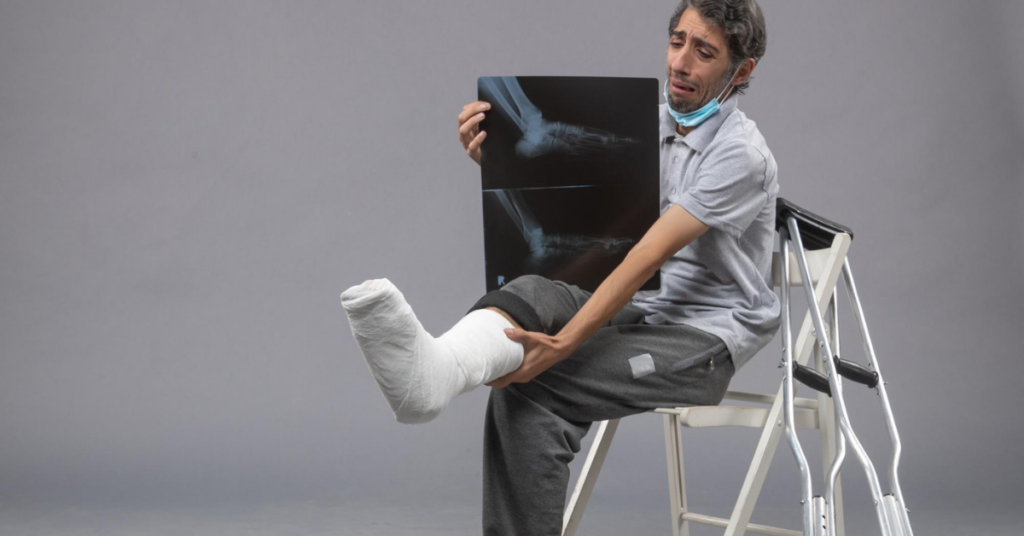
With treatment, most fractures will heal, but a few individuals will still have pain, swelling, or problems using the injured arm or leg. An orthopedic surgeon in Indore can detect delayed bone healing and decide if further treatment is necessary.
Healing Of Bone Is Not A Simple Process That Happens Automatically With The Passage Of Time
Fractures heal in stages and must be aligned, have good blood flow and be nourished. If the bone is smoked, diabetic, infected, injured heavily, or moved too soon the healing process will be interrupted and could need medical assistance. Earliest detection of these issues will prevent future complications.
Signs That A Fracture May Not Be Healing Properly
If it’s prolonged, keep an eye out for warning signs to never miss.
Symptoms are:
- A pain that doesn’t subside after months
- Inflation that doesn’t decrease
- Problems loading onto the affected limb
- Limited movement around the injured area
- Any deformity or instability that can be seen with the naked eye
- Not making progress as expected after treatment.
A best orthopedic surgeon in Indore can evaluate if there is any need for further imaging or surgery.
If your recovery has stalled or pain persists long after the expected healing time, it is important to seek expert care. Delaying treatment can make the problem more complicated. Consulting an orthopedic surgeon can help identify the cause of delayed healing and provide the right treatment plan. Prompt guidance from a best orthopedic surgeon in Indore improves your chances of successful recovery and helps you return to your normal activities with confidence.
FAQs
Factors such as diabetes, smoking, poor nutrition, severe injuries, infections, or improper bone alignment can delay healing and may require evaluation by an orthopedic surgeon in Indore.
If pain, swelling, or difficulty moving the injured area continues beyond the expected recovery period, consult a best orthopedic surgeon in Indore.
Some cases improve with immobilization, medicines, and nutritional support, while others require surgical treatment depending on the condition.
Yes. Poorly controlled diabetes can slow bone repair and increase the risk of delayed healing.
When recommended appropriately, surgery stabilizes the bone, supports proper healing, and improves the chances of restoring normal function.